See the deal before it’s a listing.
Parcels, zoning, permits and comps on one map — movement in your submarket, surfaced before it hits the listings.
Permits, deed transfers, zoning dockets and ownership changes — the landscape your analysts survey by hand, recorded daily and plotted on one map before the listings exist. Custom-built software on AWS. You own the code and the data.
Free, ten minutes. Ends in a plan, a proof-of-concept, or an honest “not a fit.”

An analyst spends hours every week pulling county portals, permit databases and MLS exports into a spreadsheet that’s stale the day it’s finished. That’s salary spent manually rebuilding a dataset that should refresh itself overnight — and it’s the cheap part of the problem. The expensive part is the site that trades while your team is still reconciling exports. Permit filings, rezoning applications and entitlement moves are public months before they surface anywhere else. The firms that see them first aren’t luckier — they’re looking at a different layer.
Those products tell you what already happened — closed comps, recorded sales, last quarter’s absorption. They’re rear-view mirrors, and every firm bidding against you is looking in the same one. Permit filings, rezoning applications and entitlement moves are public, structured, and months ahead of any of it. They’re just not aggregated for you — because aggregating them for your submarkets and your buy box isn’t a product anyone can sell at scale.
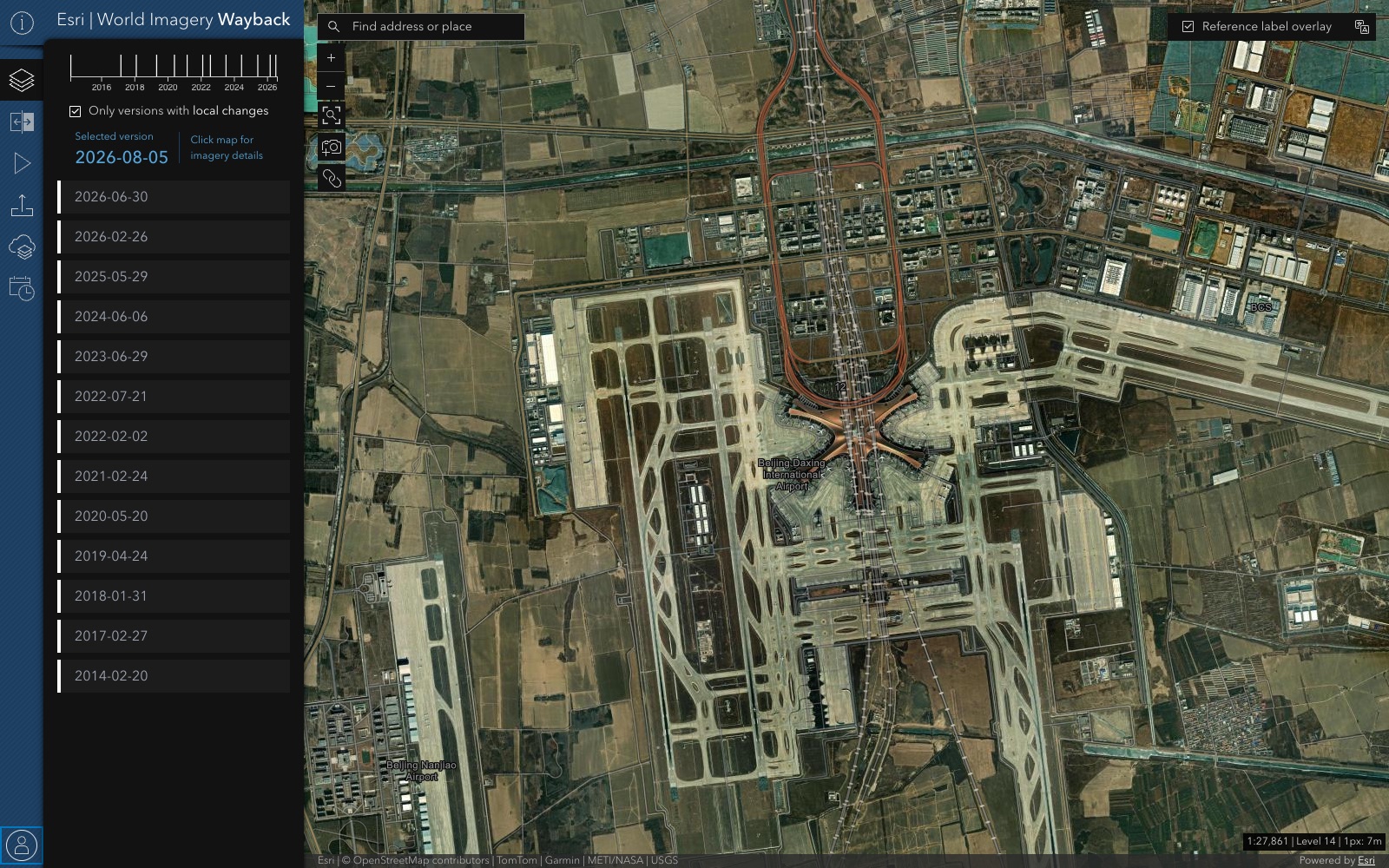
Sometimes true — and I’ll tell you when it is. What ArcGIS Online won’t do is run an unattended pipeline that pulls every county portal you care about on a schedule, normalizes their inconsistent schemas, and puts the result in front of your acquisitions team each morning with nobody maintaining it. I spent six years at Esri building exactly that layer of automation underneath their raster tile services. I know precisely where the platform stops and custom work starts.
Not how I work, and the structure protects you: the first working map ships in one to two weeks as a fixed-price proof-of-concept sprint. The code and data are yours from day one, and the platform runs in a dedicated AWS account I manage for you — transferable to your firm whenever you want it. If I disappear tomorrow, any competent engineer picks it up — nothing is locked in a vendor’s platform.
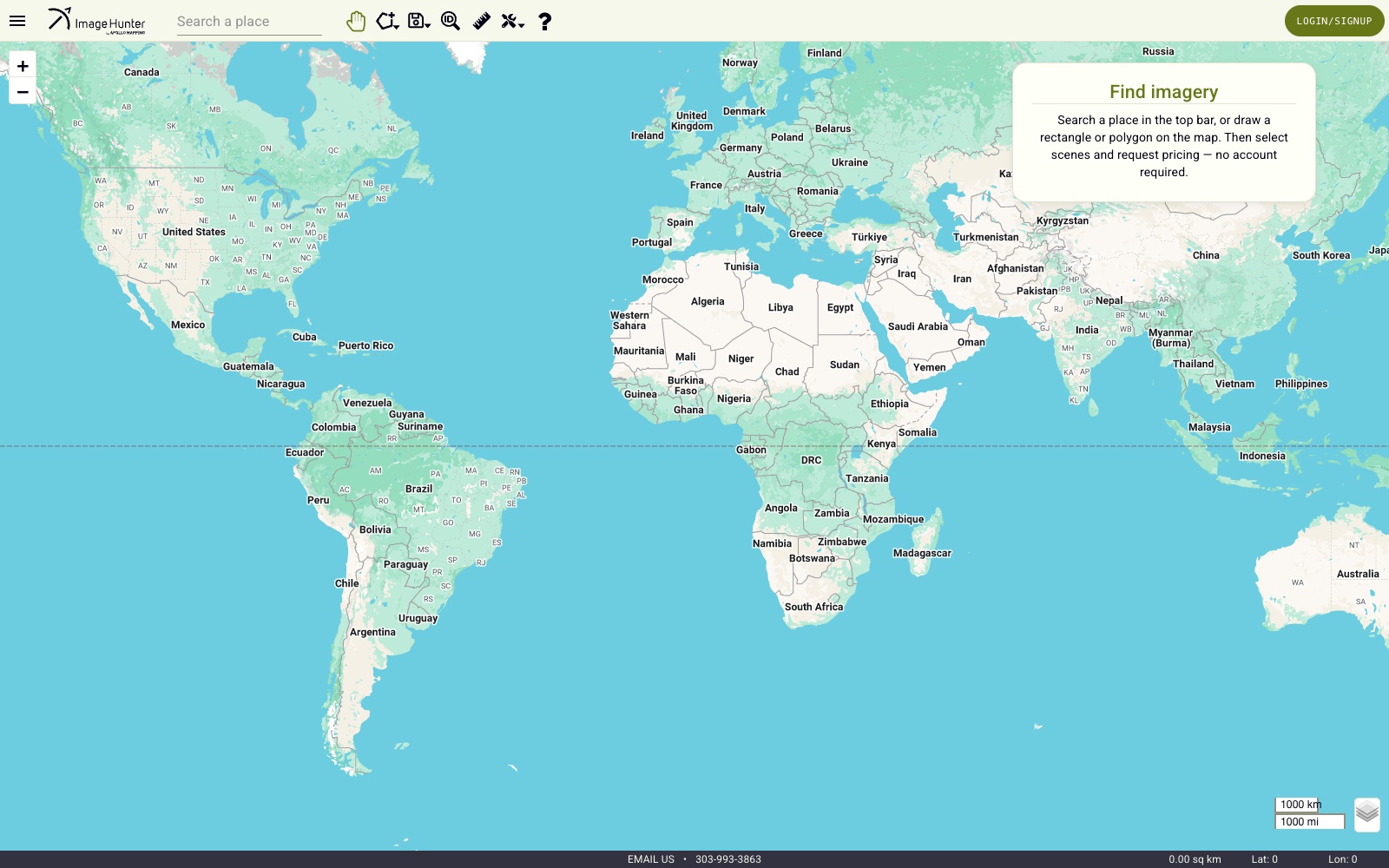
Six years engineering satellite-imagery infrastructure at Esri. Fifteen-plus years shipping geospatial, web, and iOS software for government agencies, startups, and growing firms. A seasoned AWS professional who builds the platform, runs the cloud underneath it, and keeps both alive. All of it verifiable below.

The same pipelines and maps, pointed at a different decision.
Parcels, zoning, permits and comps on one map — movement in your submarket, surfaced before it hits the listings.
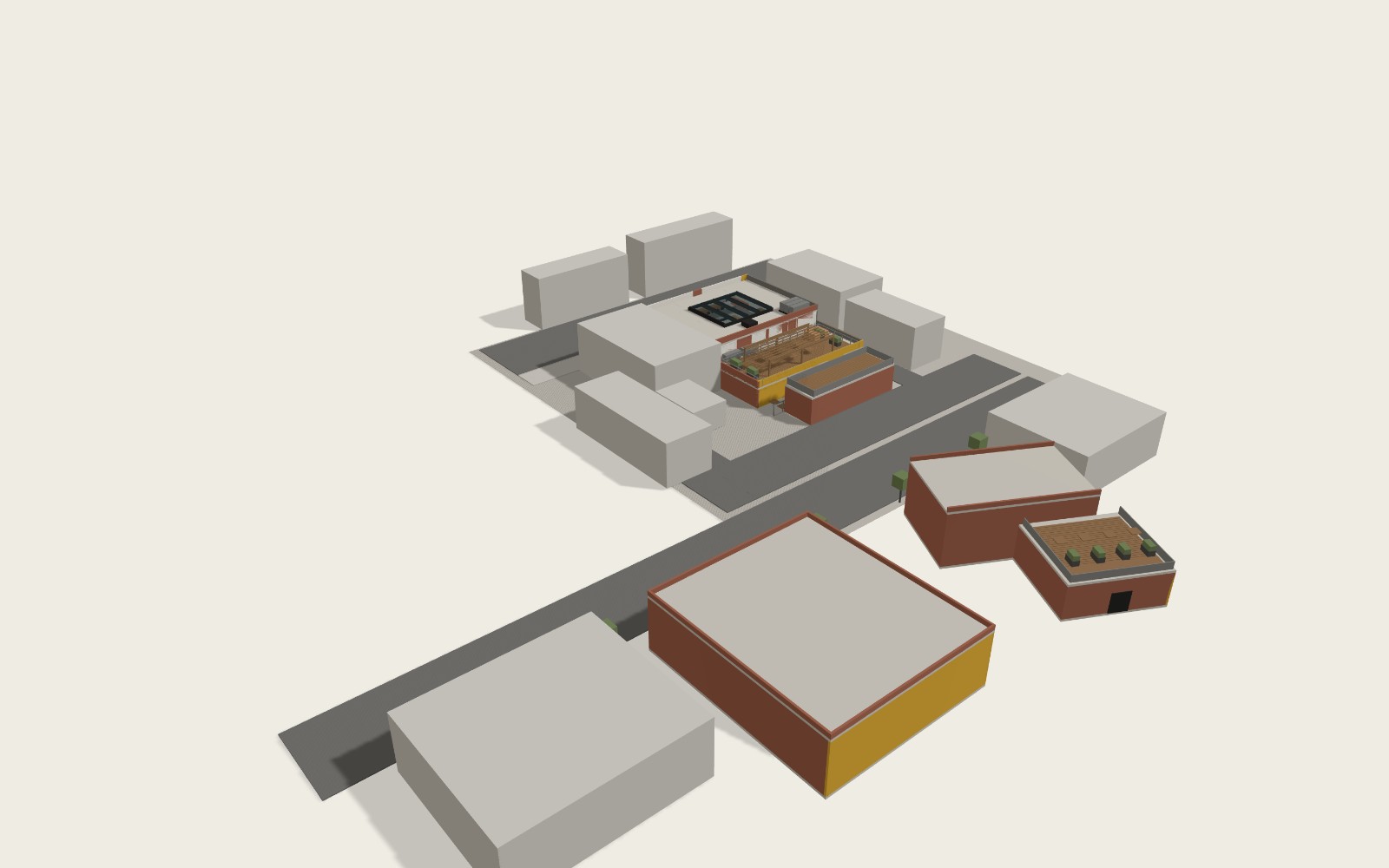
Interactive site plans, 3D renderings and neighborhood maps for developments in progress — architectural drawings become a place tenants and investors can walk through.
Data-driven story maps for planners and civic initiatives — verifiable public data laid out on the map of the city itself, built to move councils, agencies and grant committees.
Real prices, published. Strategy Session and proof-of-concept fees are credited toward the larger build that follows.
Each benchmark de-risks the next: Strategy Session and proof-of-concept fees are credited toward the larger build that follows.
Start with one submarket. One county — parcels, zoning and permits on a working map your team uses for real deals. If it doesn’t change how you source, we stop there and you keep the code.
How the sprint works →A fixed-price platform for your vertical — Deal Radar for acquisitions, Portfolio Map, Site Feasibility, Tenant Portal and more — running on AWS, fully managed for you.
Browse the kits →The platform stays current after launch: AWS monitored, spending reported in plain English, data fresh and bugs fixed, with monthly feature work on Signal Growth — by the engineer who built it.
Retainer plans →An interactive Story Map and data app making the case to lift Los Angeles light rail out of street traffic — every at-grade crossing on the A, E and K Lines mapped from Metro and OpenStreetMap data, ten years of collision records, a trip planner that shows what grade separation saves on a real trip, and the financing math, with every claim cited to public sources.
Citizen-led initiative headed for the 2028 ballot · built with Justin Levy · live and growing
Built on GeoidLife, Nico Tek’s GIS platform · see all projects
Real systems, real clients, real scale — from career work to engagements running right now, verifiable at the links below or on the experience and projects pages.




By default, I run the cloud so you don’t have to: a dedicated AWS account for your firm — provisioned, monitored, and maintained — with plain-English spending reports, so you always know exactly what your infrastructure costs and why.
The code and data are yours from day one, and the account transfers to your firm cleanly whenever you want it — in-house team, compliance requirement, or simple preference. No per-seat licenses that punish you for hiring, no renewal you can’t walk away from — and an honest answer to the question every serious buyer quietly asks: if something happens to me, you keep everything, and any competent engineer can pick it up.
The published prices are real: a proof-of-concept sprint runs $1,500–$3,500, vertical starter kits $7,500–$12,000, custom work $175–$250 an hour, and ongoing retainers start at $750 a month. Full breakdown on the packages page.
One to two weeks. The proof-of-concept sprint is fixed-scope by design: a working map with real data from a submarket you’re active in — not a slide deck.
Often, yes. I build on top of what you have when it’s the right call, and I’ll tell you when ArcGIS Online alone covers the need. Six years at Esri means I know exactly where the platform stops and custom work starts.
No — most clients don’t want one. I provision and manage a dedicated account for your firm and report on spend in plain English. If you’d rather hold the account yourself, that works too — ownership is an option on request, never a requirement.
The Signal retainer: AWS monitoring, spending reports, data freshness and fixes by the engineer who built the platform, with monthly feature work on Signal Growth and up. You own the code and data either way.
That’s the recommended path. One county, one submarket, fixed price. If it doesn’t change how you source deals, we stop there and you keep the code.
From a ten-minute call to a platform that stays current. Strategy Session and proof-of-concept fees are credited toward the larger build that follows.
Ten minutes, video or phone. Bring a submarket or a problem; leave with a straight answer on whether it is worth building and which step comes next.
The first paid step: a $250 working session with a written action plan, or a one-to-two-week sprint that puts one county’s parcels, zoning and permits on a working map. Both are credited toward the larger build that follows.
A fixed-scope, fixed-price platform for your vertical, shipped in three to four weeks on a dedicated AWS account. You own the code and the data from day one.
After launch, the engineer who built it keeps it current: data refreshed, cloud monitored, spend reported in plain English, bugs fixed; feature work from Signal Growth. Cancel anytime.
Start small: a fixed-price sprint on one county runs $1,500–$3,500, ships in two weeks or less, and you keep the code either way. Not ready to spend? Book the free ten-minute fit call — come with a submarket, leave with a straight answer on whether this is worth building.
Scan to connect on LinkedIn